High Water Pressure Can Cause Expensive Problems
By Adam Brandenburg, Co-owner · Marketing & Technology
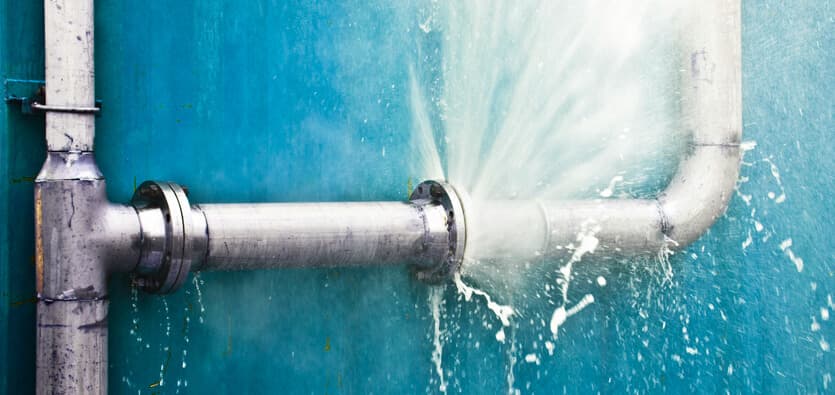
Yes, water pressure that's too high can cause expensive problems. Pressure above 80 psi puts extra strain on your pipes, fittings, water heater, and appliance hoses, which can lead to leaks, burst supply lines, and appliances that wear out early. Most homes should sit between 40 and 80 psi, and a pressure-reducing valve (PRV) is the usual fix when pressure runs high.
Low water pressure can be an inconvenience, since no one wants to spend an eternity rinsing shampoo out of their hair. But high water pressure can be the more serious problem, because it quietly wears down your plumbing and appliances.
What happens if my water pressure is too high?
High water pressure puts excess strain on your plumbing system, including your pipes, seals, and the appliances that use water. Over time, it leads to:
- Leaking pipes: Constant high pressure wears pipes down until they can develop pinhole leaks, which can cause water damage in hard-to-reach places like the inside of walls.
- Broken seals: High pressure also speeds up wear on the seals at pipe joints and fittings. In some cases, a sudden surge in pressure can burst a pipe or supply line.
- Worn appliances: Dishwashers, washing machines, and water heaters are designed to operate within a certain pressure range. Above it, their hoses and internal parts can wear out early or fail, and running them outside the recommended range may also void the warranty.
- Higher water bills: More pressure pushes more water out of every faucet and showerhead, which can quietly raise your water usage.
How do I know if I have high water pressure?
The recommended range for most homes is 40 to 80 pounds per square inch (psi). The most reliable way to check yours is with a water pressure gauge, an inexpensive tool available at most hardware stores.
Screw the gauge onto an outdoor hose bib or your washing machine's cold water connection, and confirm it reads 0 psi before you open the valve. Make sure no other water is running in the house, then open that faucet all the way and read the gauge. If it reads above 80 psi, your pressure is too high.
Other signs of high water pressure
A gauge gives you a real number, but there are other clues:
- Increased water bills: A noticeable rise in your bill can point to extra water use from high pressure (or a leak).
- Noisy pipes: High-pressure flow can make pipes vibrate, clang, or bang, especially when a valve closes quickly.
- Loud appliances: Excessive noise from the washing machine or dishwasher while it fills can be a sign of elevated pressure.
- Running out of hot water faster: Higher pressure means more water flows through your faucets and showerheads in the same amount of time, so the hot water gets used up sooner.
How do you fix high water pressure?
Fixing high water pressure helps prevent water damage and extends the life of your plumbing and appliances. Many homes have a pressure-reducing valve (PRV) where the main water line enters the house. If your pressure is running high, the PRV is the first thing to check. Adjusting it may bring the pressure down, but in some cases the valve has worn out and needs to be replaced.
If your home doesn't have a pressure-reducing valve, it's worth having one installed, which is a job for a professional plumber. Our water line team can test your pressure and install or replace a PRV. High pressure is also hard on water heaters, so if yours is leaking or failing, see our water heater services.