How Does an Anode Rod Save Your Water Heater?
By Adam Brandenburg, Co-owner · Marketing & Technology
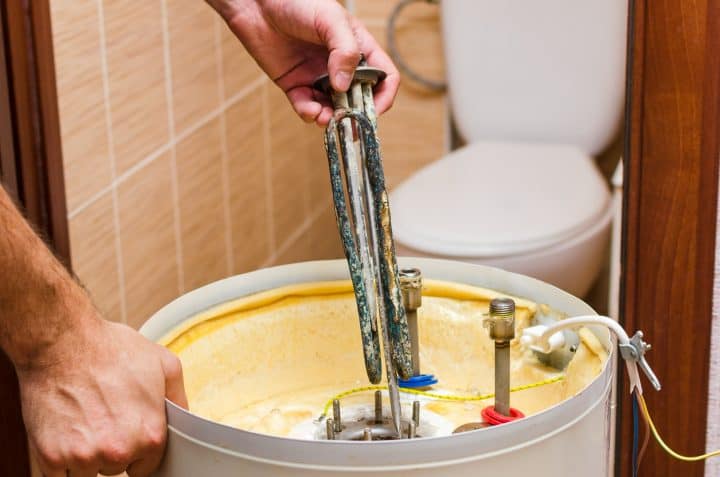
Your water heater has a hidden hero: the anode rod. This metal rod, typically made of magnesium or aluminum, protects the tank from rust by corroding in its place. Without it, your water heater tank could fail in just a few years.
Why do anode rods matter?
Water contains minerals and oxygen that cause steel to rust. The anode rod sacrifices itself to prevent this, extending the life of your water heater. Think of it as the MVP of your water heater's defense system.
What are the signs an anode rod needs replacing?
- Foul smells: A decaying rod can cause a rotten egg odor.
- Rusty water: This indicates the rod isn't protecting the tank.
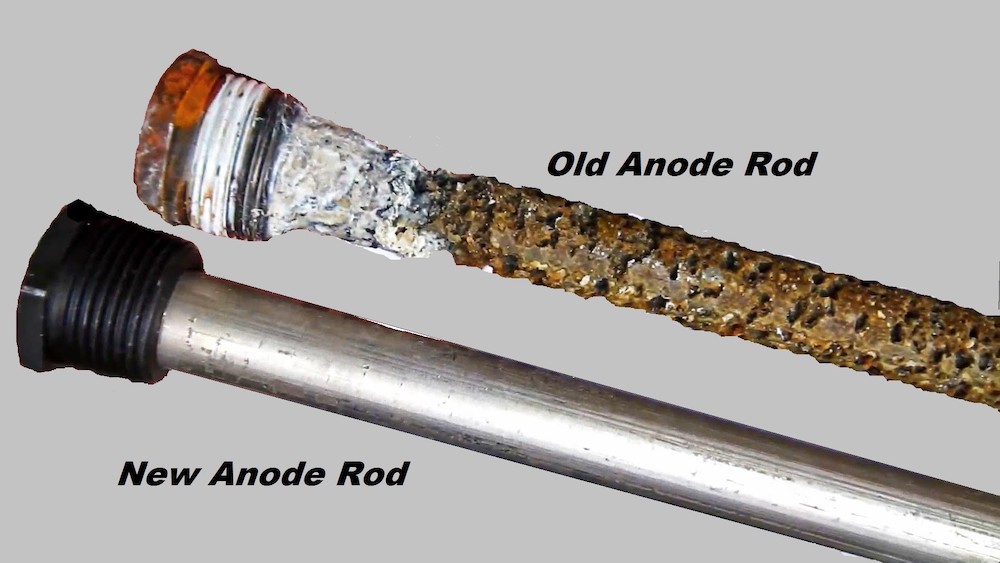
- Corroded rod: If it's heavily worn or exposing the steel wire at its core, it's time for a new one.
How often should you replace an anode rod?
Replace your anode rod every 3-5 years, or sooner if:
- You have hard water (common in Burnet, TX).
- Your water heater works overtime due to high usage.
Can you replace an anode rod yourself?
A professional can quickly inspect and replace your anode rod during routine maintenance. If you DIY:
- Turn off the power and the water supply to the water heater.
- Drain a few gallons from the tank.
- Unscrew the old rod and install the new one.
Is replacing an anode rod worth it?
Replacing an anode rod costs far less than replacing your entire water heater. A little maintenance goes a long way toward reliable hot water and a longer-lasting system.
By keeping your anode rod in check, you're protecting your water heater, and your wallet, for years to come. If you'd like us to take a look, schedule a visit with our water heater team.