How to Save Money on Your Water Bill
By Adam Brandenburg, Co-owner · Marketing & Technology
The quickest ways to lower your water bill are to fix leaks (a running toilet is the usual suspect), switch to water-efficient fixtures, and cut back on outdoor watering, which can be a big part of a Texas summer bill. Keeping up with small plumbing repairs saves money too, because drips, running toilets, and slow drains only get more expensive the longer they're ignored.
Water bills can add up fast, especially in Burnet, TX, where we deal with hot summers and high water usage. Whether you're looking to cut costs or just be more water-conscious, here are the best ways to lower your bill without sacrificing comfort.
1. Fix leaks as soon as you find them
A small leak might not seem like a big deal, but even a slow-dripping faucet can waste hundreds of gallons of water a year. A running toilet is worse: according to the EPA's WaterSense program, a leaking toilet can waste about 200 gallons of water a day. That's money down the drain.
Tip: Turn off every water source in the house and watch your water meter. If it's still moving, you've got a leak. To check a toilet, put a few drops of food coloring in the tank and wait 10 to 15 minutes without flushing. If color shows up in the bowl, the flapper is leaking. Our toilet repair team can fix it if you'd rather not.
2. Upgrade to water-efficient fixtures
Switching to low-flow toilets, faucets, and showerheads can cut your water usage significantly. Modern fixtures use less water while still performing well, so you won't notice the difference except on your bill.
- Toilets: WaterSense-labeled toilets use 1.28 gallons per flush or less. Many older toilets use 3.5 gallons or more.
- Showerheads: WaterSense-labeled showerheads use 2.0 gallons per minute or less, compared with the 2.5 gpm federal maximum.
- Faucet aerators are cheap and reduce the flow while still feeling strong enough for washing hands or dishes.
Some water utilities offer rebates on efficient fixtures, so it's worth asking yours. And keep your fixtures maintained: cleaning aerators and replacing worn washers and O-rings keeps them working as designed, especially with our hard water, which leaves scale in aerators and showerheads.
3. Be smart about laundry and dishes
Your washing machine and dishwasher can be major water users, but a few small changes can make a big difference.
- Only run full loads of laundry and dishes.
- Use the right cycle. Many washers have eco settings that use less water.
- Skip the extra rinse cycle unless you need it.
- Consider ENERGY STAR® appliances, which use less water and energy.
4. Cut down on outdoor water use
In Texas, keeping your lawn green can be a big part of your water bill. Here's how to reduce outdoor water waste:
- Water early in the morning or late in the evening to cut down on evaporation.
- Use a soaker hose or drip irrigation instead of sprinklers to water roots directly.
- Choose drought-tolerant plants that need less watering.
- Adjust your sprinklers so they're watering your lawn, not your driveway or sidewalk.
5. Lower the cost of hot water
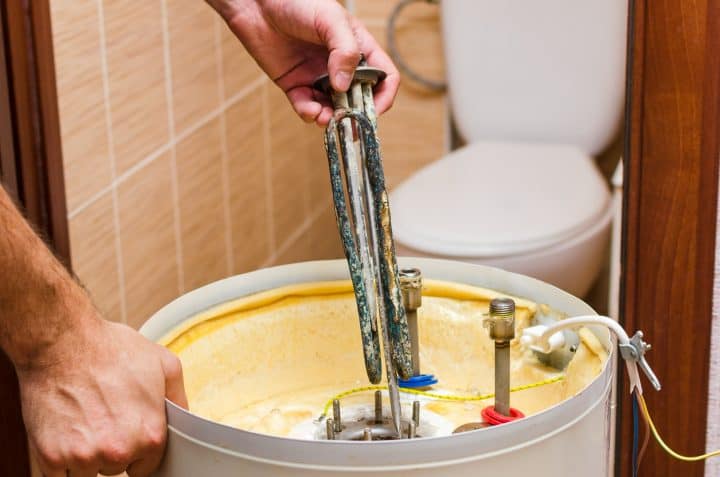
Heating water is one of the bigger energy costs in most homes. If your water heater is due for replacement, a hybrid heat pump water heater uses significantly less electricity than a standard electric tank, which translates to lower utility bills. Setting your water heater to 120°F, a commonly recommended setting, also saves energy and lowers the risk of scalding.
6. Turn off the water when you're not using it
It sounds simple, but small habits add up:
- Turn off the faucet while brushing your teeth.
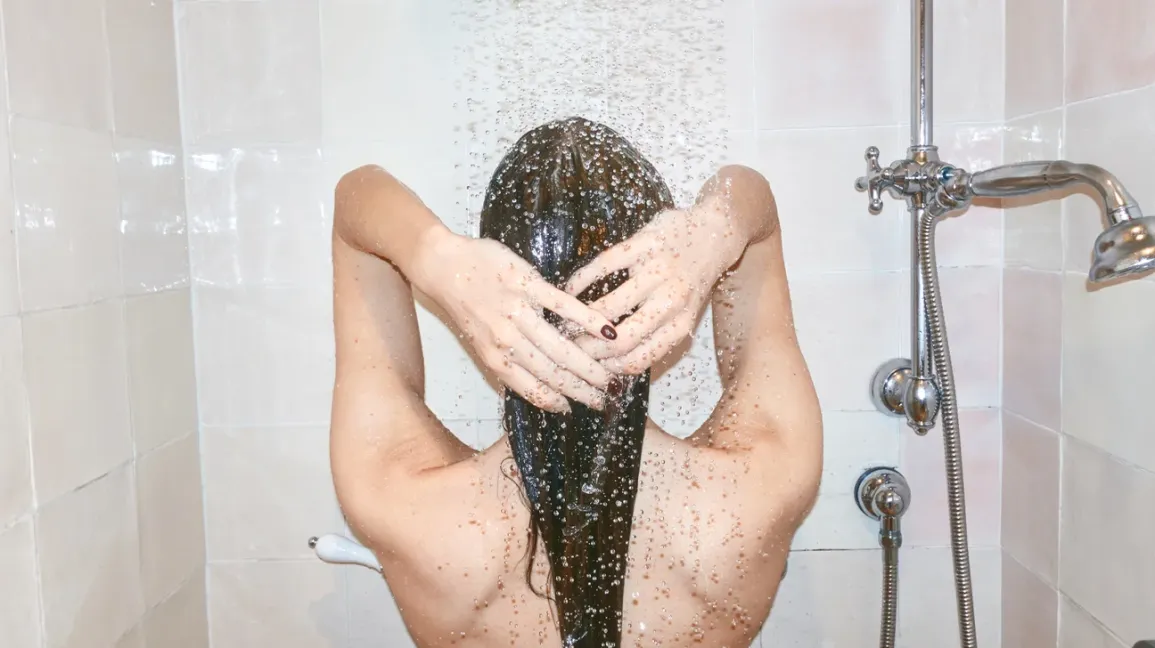
- Take shorter showers. Every minute you cut saves about 2 to 2.5 gallons with a standard showerhead.
- Fill a basin when washing dishes by hand instead of running the tap.
7. Consider a water softener or filtration system
Hard water leaves mineral buildup in your pipes and appliances, making them less efficient over time. A water softener or filtration system can help appliances work better and last longer, and softened water means you need less soap and detergent. Not sure how hard your water is? Look up your area on our water hardness by town page.
8. Know your water usage
Most water bills show your usage. Look at your bill for unusual spikes. If your usage jumps unexpectedly, there may be a leak or another issue that needs attention.
How can you save money on plumbing repairs?
Take care of small problems right away
It's tempting to ignore a dripping tap or a slow drain, but small plumbing problems tend to turn into bigger, more expensive ones. And skip store-bought chemical drain cleaners: they're rarely effective and can be hard on your pipes.
Keep up with maintenance
Scheduled maintenance catches problems while they're still small and cheap to fix. Our membership includes a yearly whole-home plumbing, heating, and air inspection and a tank water heater flush, along with seasonal HVAC tune-ups.
Consider an automatic water shutoff valve
An automatic shutoff valve detects a leak or burst pipe and shuts off your water supply before the damage spreads. Whole-home versions install on your main water line, and many can send alerts to your phone. They're especially worth considering for a lake house or second home that sits empty for weeks at a time.
Know when to call a professional
Water leaking from pipes, strange noises in your plumbing, a clog you can't locate, and drains that keep clogging are all signs it's time to have a plumber take a look.
Need help finding a leak?
Saving money on your water bill doesn't take big lifestyle changes. Fixing leaks, upgrading fixtures, and being mindful of your habits all add up. If you suspect a leak or want help upgrading to water-efficient plumbing, we're happy to help. Contact us for an inspection or installation.