Hard Water's Effect on Skin, Hair & Teeth
By Adam Brandenburg, Co-owner · Marketing & Technology
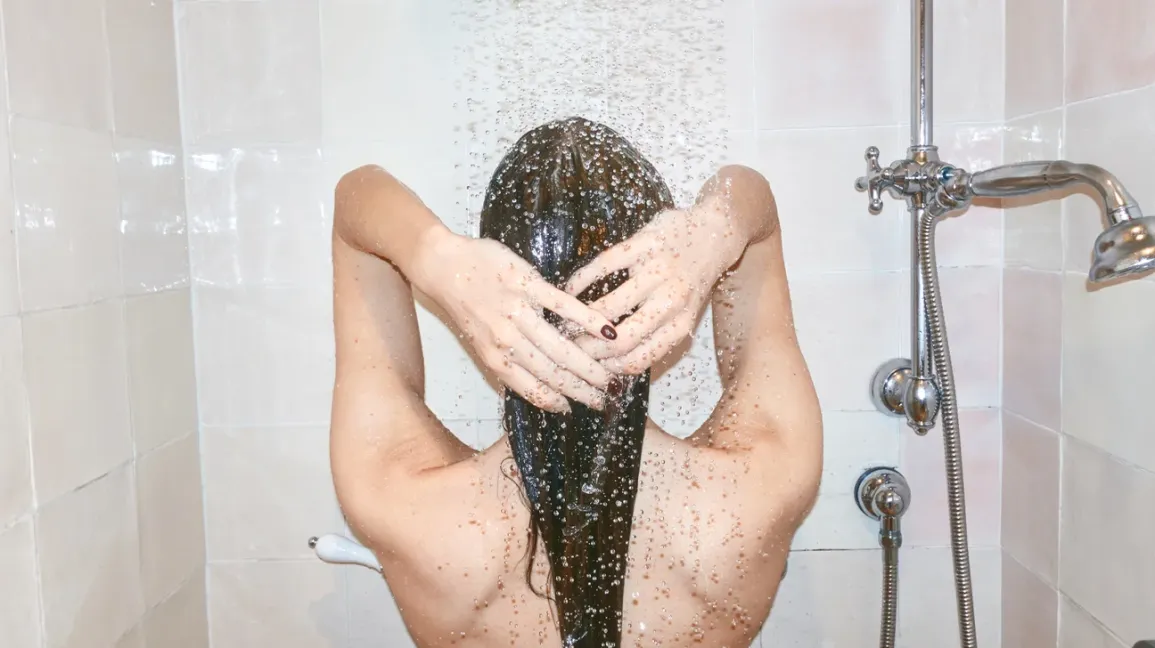
Hard water isn't a health hazard, but it can be tough on your skin and hair. The calcium and magnesium in hard water react with soap to leave a residue, which many people notice as dry, tight skin after a shower and hair that feels dull or hard to manage. A water softener removes those minerals before the water reaches your shower.
How does hard water affect your skin?
If you have hard water at home, you might notice:
- Dry, tight skin, especially after bathing
- Itchiness and irritation
- A film left on your skin after washing
- Flare-ups of existing skin conditions like eczema
Soap and hard water combine to form a film (the same soap scum you see on shower doors), and that residue is a big part of why skin can feel dry after a shower.
How does hard water affect your hair?
Mineral buildup can make your hair:
- Feel dry and brittle
- Become difficult to manage
- Look flat and dull
Over time, many people also find that hard water makes color-treated hair fade faster and leaves hair more prone to breakage and split ends.
Does hard water affect your teeth?
There's no strong evidence that hard water damages teeth, and the calcium and magnesium in it aren't harmful to drink. Where you'll notice hard water in the bathroom is the white scale it leaves on faucets, sinks, and toothbrush holders.
What's the fix for hard water?
A whole-home water softener removes excess minerals from your water supply. Salt-based softeners use ion exchange technology to replace calcium and magnesium with sodium, which addresses hard water at the source for every shower and sink in the house.
Curious how hard your water is? Check our water hardness by town page, or have our water softener team test it. For what goes into the price, see our water softener installation cost guide.