Diagnosing a Slab Leak: A Comprehensive Guide
By Adam Brandenburg, Co-owner · Marketing & Technology
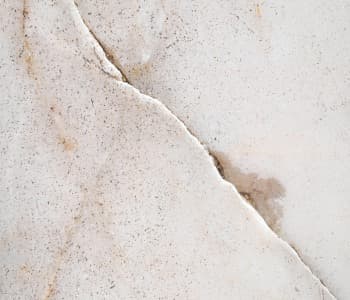
A slab leak is a leak in a water or drain line that runs under your home's concrete foundation. The most common signs are a water bill that jumps for no clear reason, warm or damp spots on the floor, and the sound of running water when everything in the house is turned off. Pinpointing the exact spot usually takes professional leak-detection equipment, but there's a simple check you can do yourself first.
What are the signs of a slab leak?
- A sudden increase in your water bill
- The sound of water running when all taps and appliances are off
- Wet or damp spots on the floor, often near walls or appliances
- Warm spots on the floor, which can point to a leak in a hot water line
- Water stains on floors, walls, or baseboards
- Rooms that stay damp or humid
- Noises from the plumbing, like gurgling or whistling
How can you check for a slab leak yourself?
Turn off every faucet, fixture, and water-using appliance in the house, then look at your water meter. If the meter is still moving, water is going somewhere. That doesn't prove the leak is under the slab (a running toilet or a leaking yard line will move the meter too), but it tells you it's time to have a plumber take a look.
If you suspect a slab leak, get it checked out as soon as possible. The longer water runs under a foundation, the more damage it can do. Our water and sewer line team can find and repair it, and if water is actively coming up through the floor, call our 24/7 emergency line.
How do plumbers detect a slab leak?
Professionals use a few different methods. Which ones make sense depends on whether the leak is in a pressurized water line or a drain line.
Pressure testing
For water supply lines, a plumber can isolate sections of the plumbing and watch a pressure gauge. If a section loses pressure with everything shut off, the leak is in that section. For drain lines under the slab, a hydrostatic test works the other way around: the drain system is plugged and filled with water, and if the water level drops, there's a leak somewhere below the floor. Neither test requires breaking into your slab, and both are an accurate way to confirm whether you have a leak.
Electronic leak detection
Water escaping a pressurized pipe makes noise. Electronic leak detectors use sensitive microphones to pick up that sound through the concrete, which lets a technician narrow down where the leak is before anyone cuts into a floor.
Thermal imaging
Thermal imaging cameras show temperature differences across a floor or wall. A leaking hot water line under the slab often shows up as a warm patch, which helps confirm what the other tests suggest.
How can you prevent a slab leak?
Not every slab leak can be prevented, but a few things help:
- Keep your water pressure in check. Pressure above 80 psi puts extra strain on pipes and fittings. An inexpensive gauge will tell you where yours sits; see our guide to high water pressure.
- Replace old, corroded plumbing before it fails, especially if you've already had one leak.
- Protect exposed and outdoor lines from freezing in winter.
- Plan pipe routes during remodels. If you're remodeling or building, ask a plumber whether any lines should be re-routed instead of left under the foundation.
When should you call a plumber?
If the meter test shows water moving, or you're seeing any of the signs above, it's time to call a professional. Finding a slab leak takes the right equipment, and an accurate diagnosis keeps the repair as small as possible.