The 3 Main Ways to Get Soft, Clean Water
By Adam Brandenburg, Co-owner · Marketing & Technology
The three main ways to improve your home's water are a water softener, a reverse osmosis (RO) system, and carbon filtration, and each one solves a different problem. A water softener is the whole-home fix for hard water: it removes the calcium and magnesium that cause scale. Reverse osmosis gives you very clean drinking water at one tap. Carbon filters mainly improve taste and smell by removing chlorine. Many homeowners pair a whole-home softener with an RO system at the kitchen sink.
What is soft water?
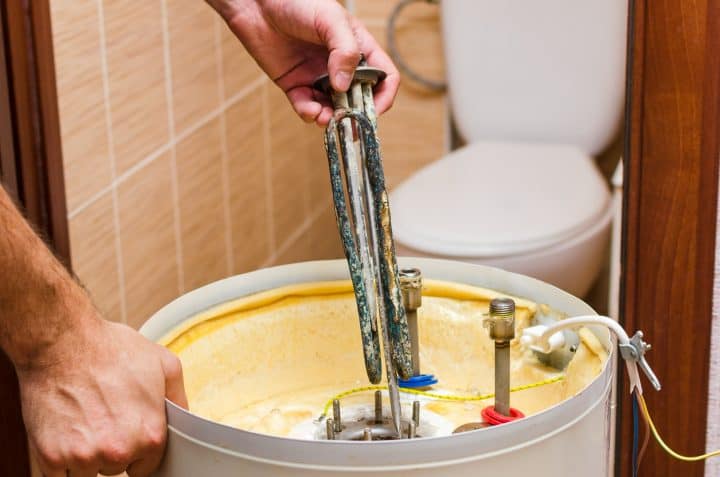
Soft water is water with little or no dissolved calcium and magnesium. Those minerals cause all sorts of problems in a home, from scale on fixtures and inside pipes, water heaters, and appliances to spots on dishes and dry skin and hair. Most water in our area is hard, and private wells tend to be harder than city water.
Why treat or filter your water at all?
Even if your water looks clean, what's in it can affect its taste, your plumbing, and your peace of mind. The main reasons homeowners invest in water treatment:
- Better-tasting water. Chlorine used to disinfect city water can give tap water a chemical taste and smell.
- An extra layer of protection. Municipal treatment plants do a good job, but a home filtration system acts as a final barrier for the water you drink.
- Less bottled water. A drinking-water system can replace buying bottled water, which saves money and cuts down on plastic waste.
- Fewer plumbing problems. Softening prevents the mineral scale that clogs pipes and fixtures and makes appliances less efficient.
Water softeners
If you're looking for a whole-house solution to hard water, a water softener is the way to go. It's installed where water enters your home and removes calcium and magnesium from your entire water supply. That protects your plumbing and appliances from mineral buildup, and it leaves your skin and hair feeling softer.
Salt-based vs. salt-free softeners
Salt-based softeners use ion exchange, swapping hardness minerals for sodium. So-called salt-free softeners are really conditioners: they don't remove the hardness minerals, they change how the minerals behave so less scale sticks to surfaces. If you want truly soft water, you need a salt-based softener. We cover this and other common questions in the top 6 water softener myths.
Reverse osmosis systems
Reverse osmosis is one of the most effective ways to filter drinking water. It forces water through a semi-permeable membrane that removes most dissolved solids, including contaminants like lead, along with salts. Most RO systems also include carbon filters that remove chlorine.
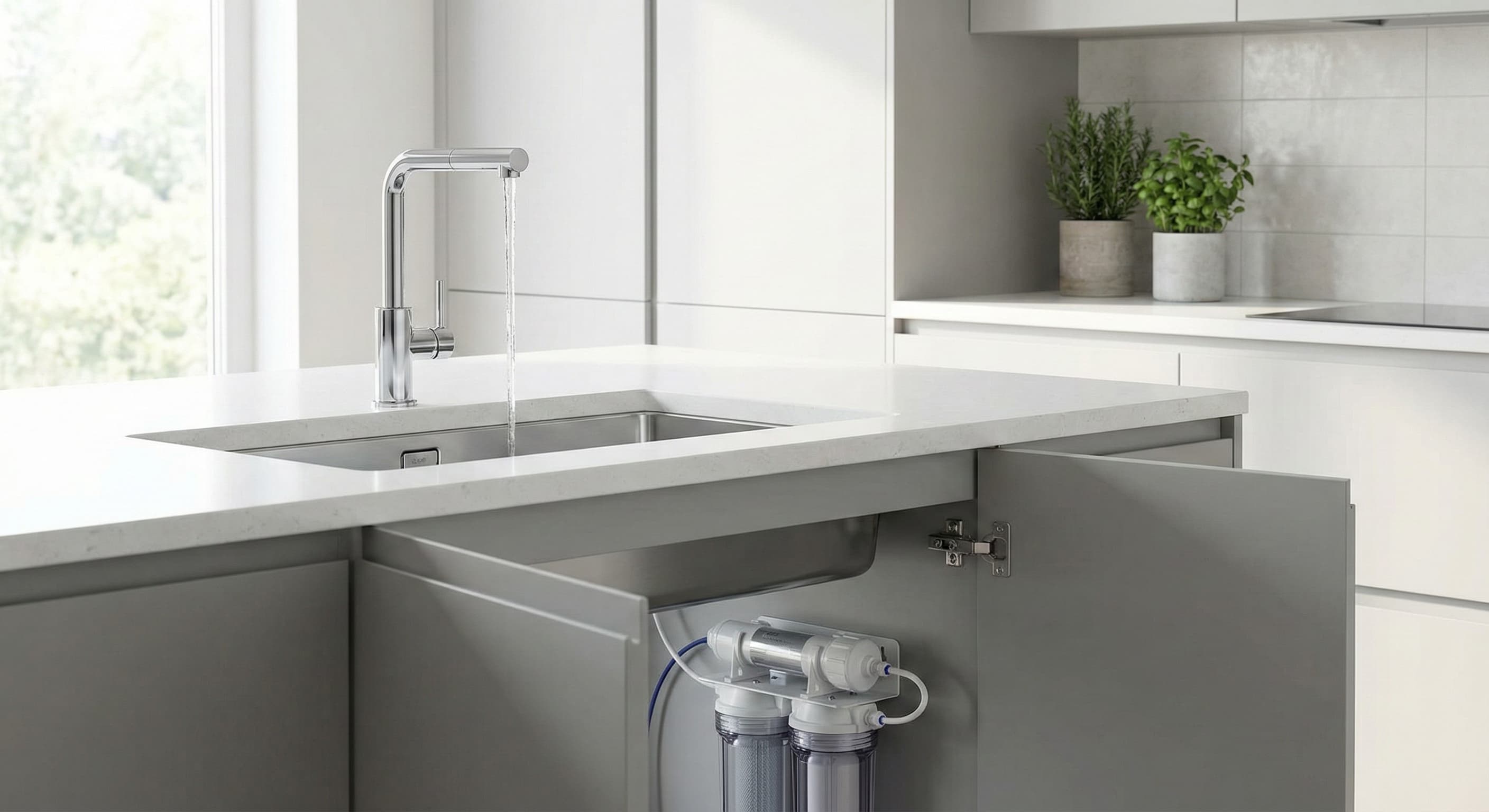
RO systems are usually installed under the kitchen sink with their own faucet, which makes them a discreet, convenient option. Keep in mind that RO treats water at one tap, not the whole house, and it sends some water down the drain as part of the filtering process.
Carbon filtration
Carbon filters use activated carbon to trap impurities. They're effective at removing chlorine and can reduce pesticides, herbicides, and other volatile organic compounds (VOCs), which leaves water tasting and smelling better. Carbon doesn't remove hardness minerals, though, so it won't soften your water. Carbon filters are often used together with RO or a softener.
What are the benefits of soft water?
Soft water is gentler on your skin and hair, which makes a noticeable difference if you have sensitive skin. It also helps your plumbing and appliances last longer by preventing mineral buildup, and it makes cleaning easier: soap lathers better and leaves fewer spots on dishes and less scum in the shower. We go deeper on this in why a water softener is the #1 upgrade to your plumbing.
Which option is right for you?
- Scale, spots, and dry skin? A whole-home water softener.
- Want the cleanest possible drinking water? A reverse osmosis system at the kitchen sink.
- Mostly bothered by chlorine taste or smell? A carbon filter.
The right choice depends on your water, your budget, and your priorities, so the best first step is a water test. Our water softener and water filtration teams can test your water and recommend the right system, starting with a free in-home water test.